Everything You Need to Know About Airway Orthodontics
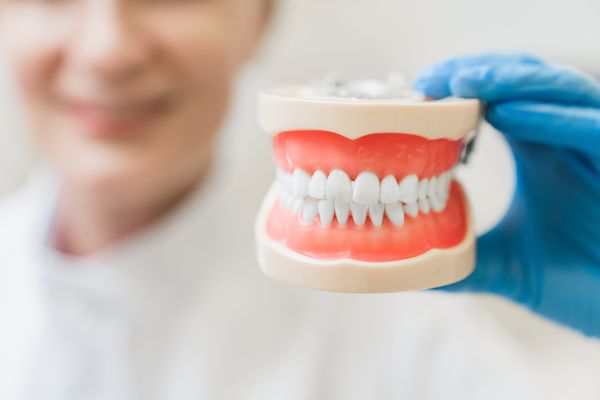
Airway orthodontics examines how tooth position, jaw development, facial growth, and breathing patterns may relate to oral function. An orthodontist evaluates bite, jaw shape, crowding, and facial structures. Patients or caregivers report snoring, mouth breathing, restless sleep, daytime fatigue, or difficulty keeping the lips closed at rest. These signs do not confirm a breathing disorder, but they can lead to orthodontic and medical evaluation.
Understanding the approach
Airway orthodontics is neither a specific appliance nor a diagnosis. It describes an orthodontic approach that considers the airway and breathing habits alongside tooth and jaw alignment. The airway includes passages that move air through the nose, mouth, and throat. Because treatment changes tooth and jaw relationships, an orthodontist may consider how those structures relate to oral posture and breathing concerns.
An examination may include photographs, digital scans, X-rays, a bite evaluation, and health history. The orthodontist may ask about nasal congestion, allergies, snoring, sleep quality, jaw discomfort, and habits such as thumb sucking. Parents or caregivers can provide details for children who may not recognize nighttime symptoms. The American Association of Orthodontists notes that orthodontists can screen for the risk of obstructive sleep apnea and refer patients for diagnostic evaluation when concerns arise.
Recognizing possible concerns
Mouth breathing, persistent snoring, frequent waking, daytime sleepiness, and changes in attention or mood can have several causes. Enlarged tonsils or adenoids, allergies, nasal conditions, weight, and sleep disorders may contribute. An orthodontist does not diagnose obstructive sleep apnea through an orthodontic exam alone. A physician or sleep medicine professional determines whether testing, such as a sleep study, is appropriate.
Parents may notice that a child breathes through the mouth, sleeps with an open mouth, grinds teeth, or has difficulty chewing. These observations can be shared with both the orthodontist and the pediatrician. The AAO notes that mouth breathing may contribute to some orthodontic problems, while the American Academy of Pediatrics identifies snoring as a symptom that may warrant evaluation for sleep-disordered breathing.
Reviewing treatment options
Airway orthodontics may include braces, clear aligners, palatal expansion, or other orthodontic appliances, depending on the bite, jaw development, age, and treatment goals. Palatal expansion widens the upper jaw in selected patients, which may create more room for teeth and change the dental arch. However, orthodontic treatment does not replace medical diagnosis or treatment for a sleep-related breathing disorder.
An orthodontist may refer the patient to a pediatrician, primary care physician, ear, nose, and throat physician, sleep medicine professional, or another provider. The care team can review symptoms, medical findings, and orthodontic needs together. This coordinated approach helps each provider focus on care within that provider’s training and role.
Planning next steps
Airway orthodontics starts with a discussion before treatment. An orthodontist can explain whether the bite, teeth, jaw, and oral habits suggest the need for orthodontic care, referral, or observation. For more information or to schedule an appointment, call our office.
Request an appointment here: https://www.floresortho.com or call Flores Orthodontics at (760) 291-4225 for an appointment in our Escondido office.
Check out what others are saying about our services on Yelp: Airway Orthodontics in Escondido, CA.
Related Posts
An orthodontist can help to tackle any orthodontic issues your child develops as their teeth erupt. The American Association of Orthodontists advises parents to take their children for their first bite evaluation by the time they reach seven. At this stage, their teeth and jaw should be developed enough to spot orthodontic issues.Detecting and treating…
An orthodontist might recommend devices like braces or clear aligners to help straighten your teeth. Both of these appliances work by applying a gentle, constant force on teeth, slowly moving them to a better position over the course of your treatment. Orthodontic issues are pretty common, and the American Association of Orthodontics states up to…
An orthodontist treats issues related to jaw and teeth alignment. Continue reading to learn more about the role of orthodontic treatment in the improvement of facial shape. The primary benefits of orthodontic treatment are to achieve ideal teeth alignment and jaw bite for improved health, function, and appearance. One additional benefit of orthodontic treatment that…
The orthodontist plays an important role in the teeth straightening process for patients. Their part consists of ensuring successful treatment, making necessary adjustments to the treatment plan, checking and detecting signs of oral health concerns, and helping with teeth straightening aftercare.Teeth straightening is not as simple a process as it may seem. Without the help…