What Are My Options For Underbite Treatment?
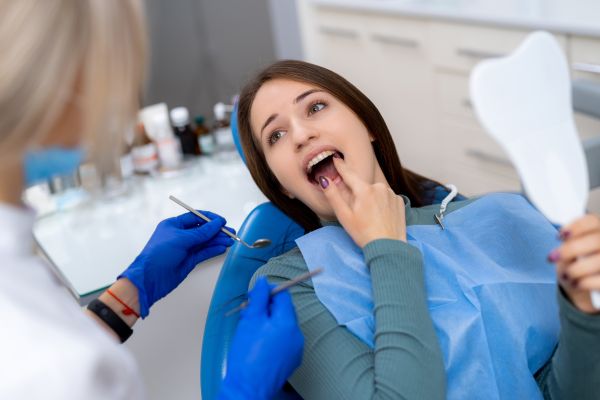
Underbite treatment can help improve the way the upper and lower teeth fit together while supporting a healthier, more balanced smile. An underbite is when the lower teeth sit in front of the upper teeth when the mouth closes. This misaligned bite pattern can affect appearance, chewing, speech, tooth wear, and jaw comfort. An orthodontist can evaluate the bite and recommend treatment based on the patient’s age, growth pattern, and oral health needs.
What causes an underbite?
An underbite can develop for several reasons. Common contributing factors may include:
- A lower jaw that grows farther forward than the upper jaw
- An upper jaw that does not grow forward enough
- Front teeth that tilt into an underbite position
- Genetics, meaning a family history of similar bite patterns
- Early tooth loss that affects how teeth shift or erupt
An orthodontist will perform a detailed examination to find the main causes of a patient's underbite. This allows them to recommend a treatment plan tailored to the patient.
Underbite treatment options
There are many ways to treat an underbite. An orthodontist can help patients find the treatment best suited to their needs and lifestyle. Here are some of the most common:
Braces for underbite correction
Braces are a common option for underbite treatment because they allow an orthodontist to move teeth with controlled precision. This treatment uses brackets and wires to gradually guide the teeth into better positions, improving the way the bite fits together. With braces, the orthodontist can treat crowding, spacing, tooth angulation, and bite alignment all at the same time. An orthodontist will explain how braces fit into the overall treatment plan and how long treatment may take based on the severity of the underbite.
Keep in mind that those with an underbite typically need to use elastics during braces treatment. These small rubber bands help shift the relationship between the upper and lower teeth. Consistent wear matters because elastics only work when used as directed.
Clear aligners for minor underbites
Clear aligners may help treat certain underbites, especially when the issue is primarily related to tooth position rather than jaw size. This treatment uses a series of removable trays to gradually move the teeth. Many patients like that they look discreet and can be removed for meals, brushing, and flossing. However, the trays must be worn as directed each day. If the patient wears them only occasionally, the treatment will not have enough time to work.
Surgical treatment for severe underbites
When underbites come from a more severe jaw imbalance, jaw surgery may be part of the treatment plan once growth is complete. Surgery can reposition the upper or lower jaw, or both, so the teeth and facial structures fit together better. This option is usually considered for severe underbites that affect function, facial balance, or long-term stability.
Surgical underbite treatment is planned with both an orthodontist and an oral and maxillofacial surgeon. Braces or aligners may be used before and after surgery to align the teeth and fine-tune the bite. While this option is more involved, it can create significant functional and cosmetic improvements for patients with severe skeletal underbites. The orthodontist can explain when surgery may be recommended and what the full process may involve.
Explore your options
An orthodontist can tailor underbite treatment to the patient’s unique smile. Want to learn more about your options? Contact Flores Orthodontics today for an appointment.
Request an appointment here: https://www.floresortho.com or call Flores Orthodontics at (760) 291-4225 for an appointment in our Escondido office.
Check out what others are saying about our services on Yelp: Underbite Treatment in Escondido, CA.
Related Posts
If you have dental issues that necessitate the services of an orthodontist, you will want to locate a professional who can provide the high-quality treatment that you require. You will also want to know about the treatment and the process involved.The following are key questions to ask an orthodontist during a consultation.In a consultation, one…
Can treatment from an orthodontist help with daily functions such as speaking and chewing? Read on to learn more. Bite correction from an orthodontist has several health benefits, including enhanced aesthetics, clearer speech, and improved chewing, biting, and jaw functions. This type of dental specialist can help you figure out whether your bite is misaligned…
Have you put off a trip to the orthodontist because you are worried that you are too old? Do not think that orthodontic treatment is only for children and teens. No matter how old you are, there are treatments available to change your smile. You can be happy with the way you look and have…
The orthodontist assists patients of all ages in achieving healthy smiles with orthodontic treatment at the dental office. Orthodontic issues are prevalent because only a few people are born with picture-perfect teeth. But why is that the case? This article digs into this issue and throws a bit of light on the common causes of…